Why Your Lawn Turns Yellow in Chicago Winters and How to Fix It Fast
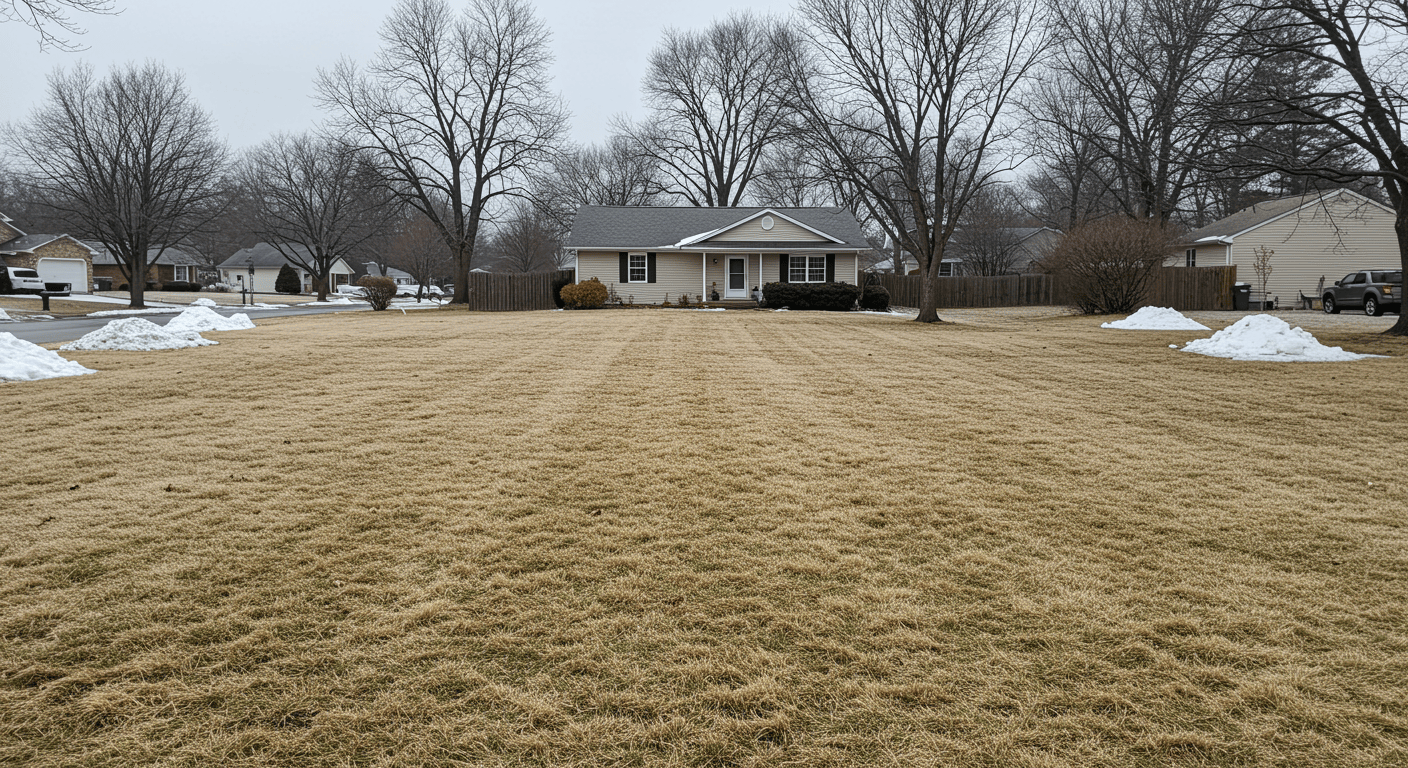
If you look out the window in January and your lawn looks yellow, dry, or straight up dead, take a breath. This is one of the most common homeowner questions in the Midwest, and the good news is that most winter yellowing is totally normal.
Is My Lawn Dead? Why Chicago Lawns Turn Yellow in Winter (And When to Worry)
If you look out the window in January and your lawn looks yellow, dry, or straight up dead, take a breath. This is one of the most common homeowner questions in the Midwest, and the good news is that most winter yellowing is totally normal.
Chicago lawns deal with freezing temps, wind, salt, snow pileup, and long stretches without sunlight. Cool-season grasses like Kentucky bluegrass and fescue naturally go dormant in winter, which means the blades lose color so the plant can conserve energy.
But there is a difference between normal winter dormancy and damage that needs attention before spring.
Why Chicago lawns turn yellow in winter
Winter yellowing usually comes from one of these causes:
- Dormancy: grass loses color to survive cold weather
- Road salt: sidewalks and driveways can burn lawn edges
- Snow mold: a fungus that can develop under prolonged snow cover
- Winter desiccation: cold wind dries out exposed blades
- Foot traffic: frozen grass breaks easily and creates yellow paths
When winter yellow is normal
If your lawn is:
- evenly pale across most of the yard
- still fairly dense
- firm underfoot
you are likely looking at a “sleeping” lawn. It should green back up as temperatures rise and spring growth starts.
When winter yellow means trouble
Some patterns are more than dormancy and are worth planning around:
- Large matted gray or pink patches
- Spots that feel slimy or soft
- Straw-colored streaks where dogs or salt hit repeatedly
- Areas that look torn up, thinned out, or sunken
These issues usually need a spring recovery plan so the lawn repairs itself quickly instead of thinning out further.
How to help your lawn bounce back faster
A few steps can speed up spring recovery:
- Start with an early spring fertilization to support green-up and density
- If salt burn is common, use a soil conditioning approach and plan edging protection near hardscapes
- Gently rake matted snow mold areas to improve airflow
- Water early in the season if spring is unusually dry
- Start a seasonal lawn program before the first major growth surge so the lawn has nutrients when it wakes up
Chicago takeaway
Most winter yellowing is normal dormancy. The key is watching for patchy, matted, or damaged areas and getting ahead of them early in spring.
If you want your lawn to green up earlier and stronger, an early-season visit is your best advantage. 1st Home Lawn helps homeowners build predictable spring recoveries with a program designed for Chicagoland conditions.