Winter Lawn Prep in Chicagoland: How to Reduce Snow Mold and Spring Patchiness
Prevent spring surprises. Learn practical Chicagoland winter lawn prep steps that reduce snow mold risk and protect turf through freeze, snow, and shade.
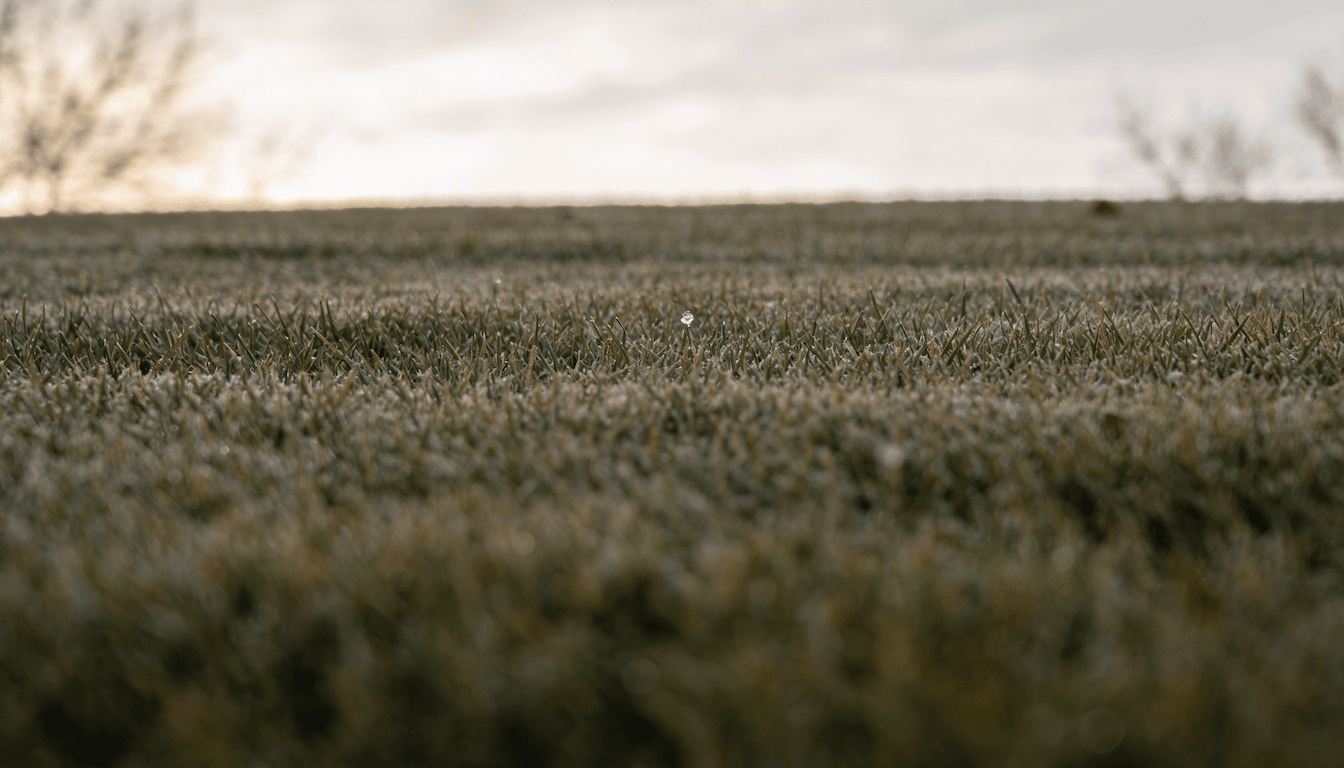
Chicagoland Winter Lawn Prep: How to Prevent Spring Patch Problems
Chicagoland winters are hard on turf for two reasons: long cold periods and the conditions created under snow and leaf mats. The good news is that many spring lawn problems are preventable with fall actions.
What snow mold risk looks like
Snow mold is favored by prolonged cool, wet conditions, especially when turf is matted under snow or debris.
Illinois Extension explains you can avoid severe problems through sound fertilization programs, adequate drainage, managing thatch via aerification or dethatching, and improving air circulation by pruning dense vegetation near problem areas.
Key Chicagoland winter prep steps that matter
1) Do not leave thick leaf layers on the grass
Thick debris mats smother turf and hold moisture heading into winter.
2) Manage thatch and compaction
Aerification helps reduce thatch and improves drainage. Illinois Extension’s fall tips highlight aeration as a way to relieve compaction and reduce thatch, with guidance to aerate when soil is slightly damp.
3) Keep mowing until growth slows
Avoid letting turf get excessively long late in fall. Long, matted turf increases disease risk, especially in shaded and damp areas. Illinois Extension IPM guidance also emphasizes removing leaves and maintaining sound turf practices to reduce disease risk.
4) Do not push fast-release nitrogen too late
Illinois turf disease guidance notes snow molds are favored by excessive early fall applications of fast-release nitrogen fertilizers, among other factors.
Practical expectations for Chicagoland homeowners
Chicago-area snowfall and freeze-thaw cycles make moisture management the theme of winter lawn survival.
If you have a history of snow mold or recurring spring matted patches, the solution is rarely a single fungicide application. It is a set of cultural practices: improved airflow, reduced debris, healthier turf going into winter, and better drainage.
What to do if you still get spring patches
If you still get spring damage, a simple recovery plan usually works:
- Light raking to break up matted turf
- A targeted overseeding plan timed to cool-season growth windows
- Focus on rebuilding density rather than over-applying spring chemicals that can conflict with seeding plans
Chicagoland takeaway
Winter prep is not glamorous. It is what prevents you from spending your April budget fixing last year’s problems.