Your Lawn Is Not "Bad", It Is Out of Sync With the Season
Most homeowners assume a struggling lawn means something is wrong with the grass itself. It looks thin. Color is inconsistent. Weeds show up fast. Certain areas never seem to catch up. So the natural reaction is to think the lawn is bad, the soil is bad, or the property just has bad luck. Most of the time, that is not the real issue.
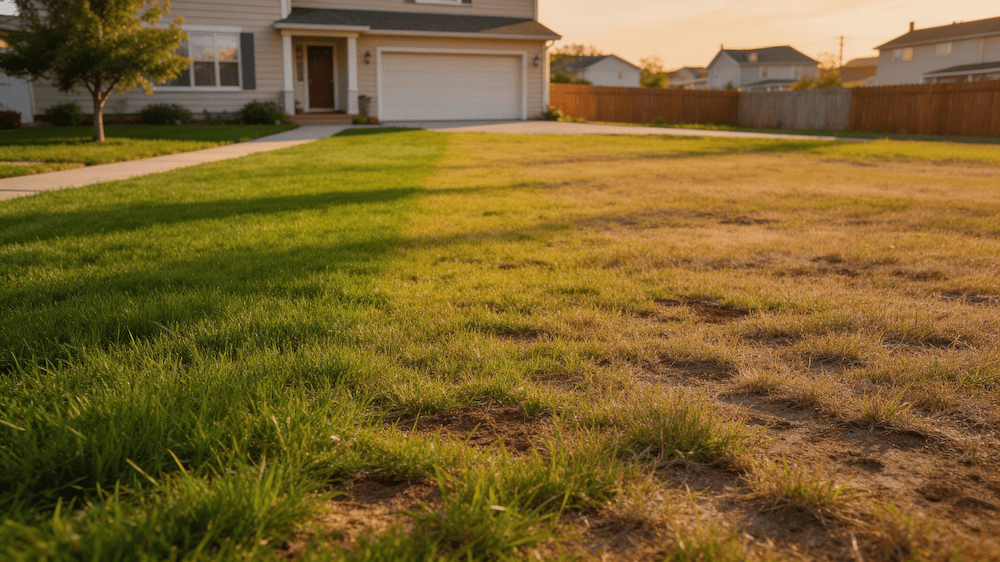
Most homeowners assume a struggling lawn means something is wrong with the grass itself.
It looks thin. Color is inconsistent. Weeds show up fast. Certain areas never seem to catch up.
So the natural reaction is to think the lawn is bad, the soil is bad, or the property just has bad luck.
Most of the time, that is not the real issue.
The real issue is timing.
Lawns respond to a sequence. Growth, nutrient uptake, weed pressure, watering needs, root development, and recovery all happen in cycles. When care is applied out of order, even good products produce mediocre results.
That is why homeowners often feel like they are trying hard and still falling short.
They fertilize, but the lawn still feels weak.
They water more, but bare spots remain.
They kill weeds, but new weeds come right back.
The problem is not always effort. It is often that the lawn is being treated reactively instead of seasonally.
Healthy lawns are built by staying ahead of the season, not chasing visible problems after they appear.
That means understanding when the lawn needs support for root growth, weed prevention instead of weed reaction, recovery from stress, and thicker coverage before weeds have room to move in.
A lawn that feels inconsistent year after year usually is not beyond help. It is just out of rhythm.
Once the timing gets fixed, the lawn often starts responding much more predictably.