Should You Leave Grass Clippings on Your Lawn?
After mowing the lawn, many homeowners immediately wonder what to do with the clippings. Should they be bagged? Left on the lawn? Collected and composted?
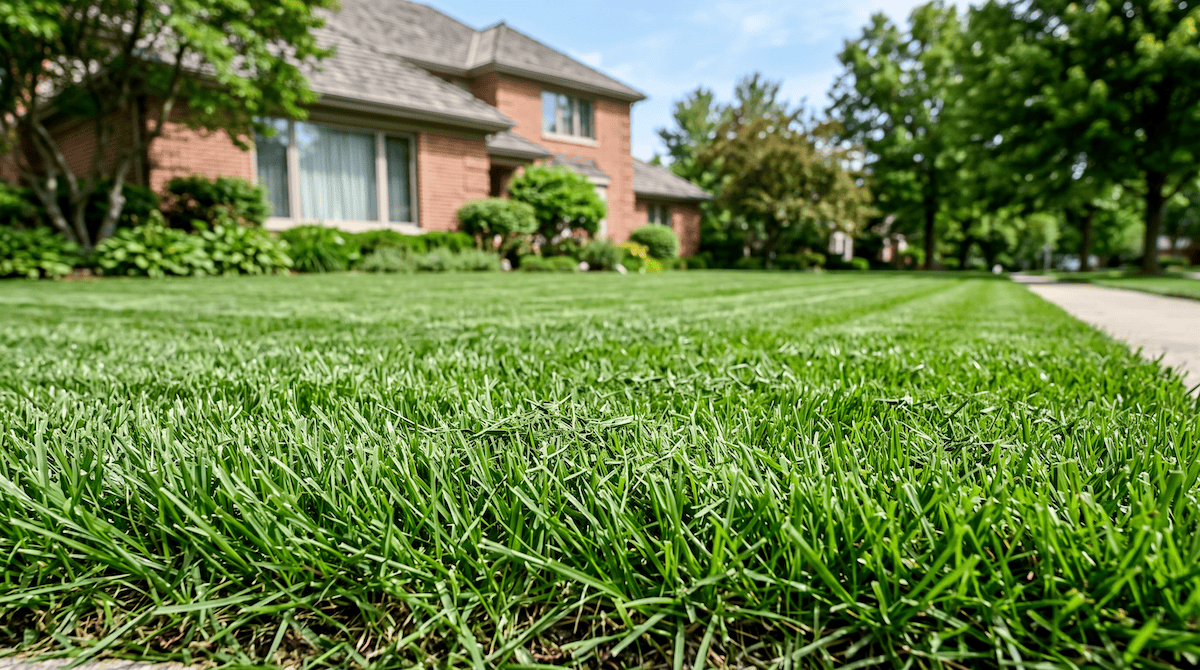
After mowing the lawn, many homeowners immediately wonder what to do with the clippings.
Should they be bagged? Left on the lawn? Collected and composted?
In most situations, leaving properly sized grass clippings on the lawn can actually be beneficial.
Grass Clippings Can Return Nutrients
Fresh grass clippings contain nutrients that were previously stored inside the plant.
When small clippings fall back into the lawn, they begin decomposing and return some of those nutrients to the soil.
This process is sometimes referred to as grasscycling.
It can reduce the need to remove large amounts of organic material from the property while allowing nutrients to remain within the lawn ecosystem.
When Leaving Clippings Works Best
The key is mowing regularly enough that clippings remain relatively small.
If you're mowing frequently and removing only a modest amount of grass, the clippings can generally settle between the blades.
They decompose relatively quickly and become difficult to notice.
This is very different from mowing a lawn that has been neglected for several weeks.
Large, wet clumps can sit on top of the turf and block sunlight and airflow.
Do Grass Clippings Cause Thatch?
This is one of the biggest misconceptions about lawn care.
Grass clippings are primarily made of water and relatively soft plant tissue. They decompose much more quickly than the stems, roots, and other materials that contribute to excessive thatch.
Leaving normal clippings on the lawn does not automatically create a thatch problem.
However, if a lawn already has excessive thatch, it may need to be evaluated separately.
When Should You Bag Clippings?
There are situations when collecting clippings makes sense.
If the grass is extremely tall, wet, or covered with leaves and other debris, leaving heavy material on the lawn may create problems.
Bagging can also be useful when you're mowing after a long period without maintenance.
The goal is not to follow one rule every time. The goal is to keep the lawn healthy.
What About Weeds?
Some homeowners worry that leaving clippings will spread weeds throughout the yard.
The bigger concern is whether weeds have developed seed heads.
If you're mowing mature flowering weeds, collecting the material may make sense.
But simply removing every grass clipping isn't necessary for a healthy lawn.
A Simple Approach
For most routine mowing:
- Keep the mower blade sharp.
- Mow regularly.
- Avoid removing excessive amounts of grass.
- Leave small clippings where appropriate.
- Bag excessive clippings or debris when necessary.
This approach is simple, efficient, and beneficial to the lawn.