How Often Should You Mow Your Lawn in Chicago?
For homeowners in Chicagoland, mowing frequency can change considerably throughout the growing season. There is no single schedule that works perfectly from April through November.
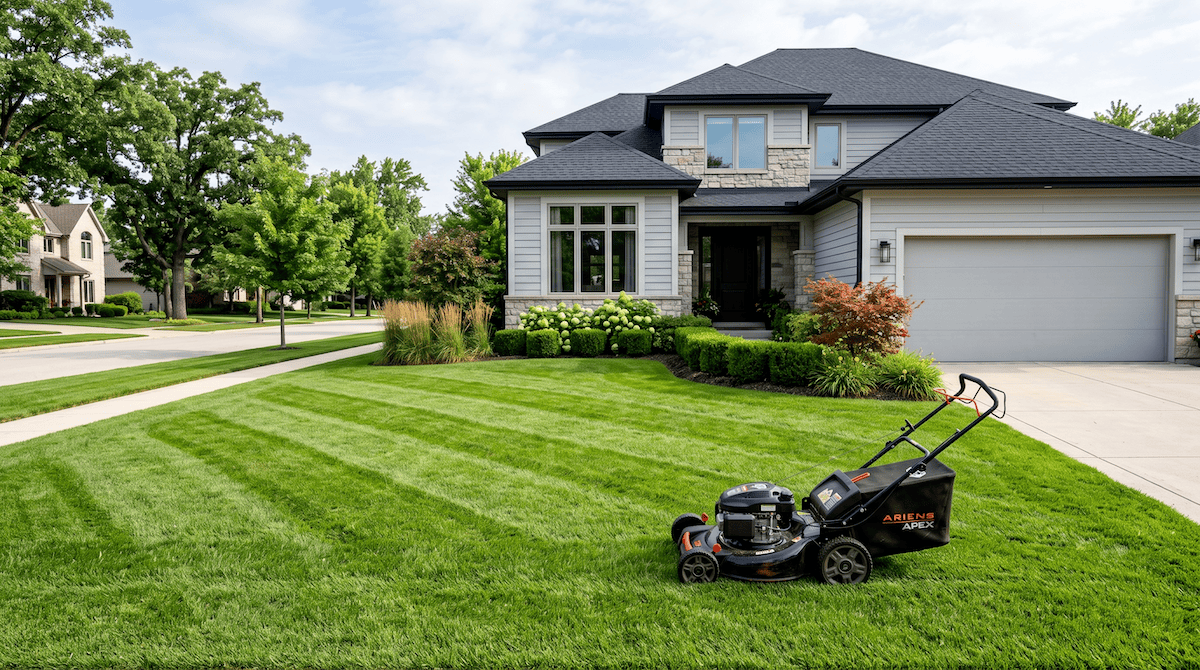
A good mowing routine does much more than keep your yard looking neat. How often you mow, how much grass you remove, and the height you maintain can all affect the health and appearance of your lawn.
For homeowners in Chicagoland, mowing frequency can change considerably throughout the growing season. There is no single schedule that works perfectly from April through November.
Why Mowing Frequency Matters
Grass is a living plant. Removing too much of the leaf blade at once can stress it, especially when temperatures are high or the lawn is already dealing with dry conditions.
A common rule among lawn professionals is the one-third rule. Try not to remove more than approximately one-third of the grass blade during a single mowing.
For example, if your lawn is maintained at around three inches, allowing it to grow substantially taller before mowing means you may be removing too much at once.
That can weaken the plant and leave the lawn looking stressed.
How Often Should You Mow?
During periods of rapid spring growth, you may need to mow more frequently.
As temperatures increase and growth patterns change, mowing may become less frequent. During particularly dry periods, grass may slow down considerably.
Instead of mowing based strictly on a calendar, pay attention to how quickly the grass is growing.
A lawn that grows quickly may need weekly mowing or more frequent attention. A lawn growing slowly may not.
Don't Cut Your Lawn Too Short
One of the most common mowing mistakes is cutting grass extremely short because homeowners want to mow less often.
It sounds logical, but shorter is not always better.
Grass with adequate blade height generally has more leaf surface available for photosynthesis and can provide more shade to the soil.
Cutting too short can also expose the soil and create conditions that encourage stress and weed competition.
Keep Your Mower Blades Sharp
Mowing frequency isn't the only consideration.
A dull mower blade can tear grass rather than making a clean cut. Torn grass blades can develop a ragged appearance and may turn brown at the tips.
A sharp blade creates a cleaner cut and helps the lawn maintain a more uniform appearance.
What About Grass Clippings?
You generally do not need to remove small amounts of grass clippings after every mowing.
When clippings are short enough, they can break down naturally and return nutrients to the soil.
The important distinction is between normal clippings and large piles of wet grass.
If you've allowed the lawn to become excessively tall, heavy clumps can block light and airflow.
A Better Mowing Strategy
Instead of thinking about mowing as simply cutting grass, think about it as managing the plant.
Mow frequently enough to maintain a healthy height, avoid removing excessive amounts at once, keep equipment properly maintained, and adjust your routine based on weather and growth.
That approach produces a healthier lawn than simply mowing whenever the grass looks long.