Chicagoland Lawn Fertilization: A Season Schedule That Matches Cool-Season Grass
Stop guessing. Use a Chicagoland-friendly fertilization schedule for cool-season lawns, based on lawn density and seasonal growth cycles.
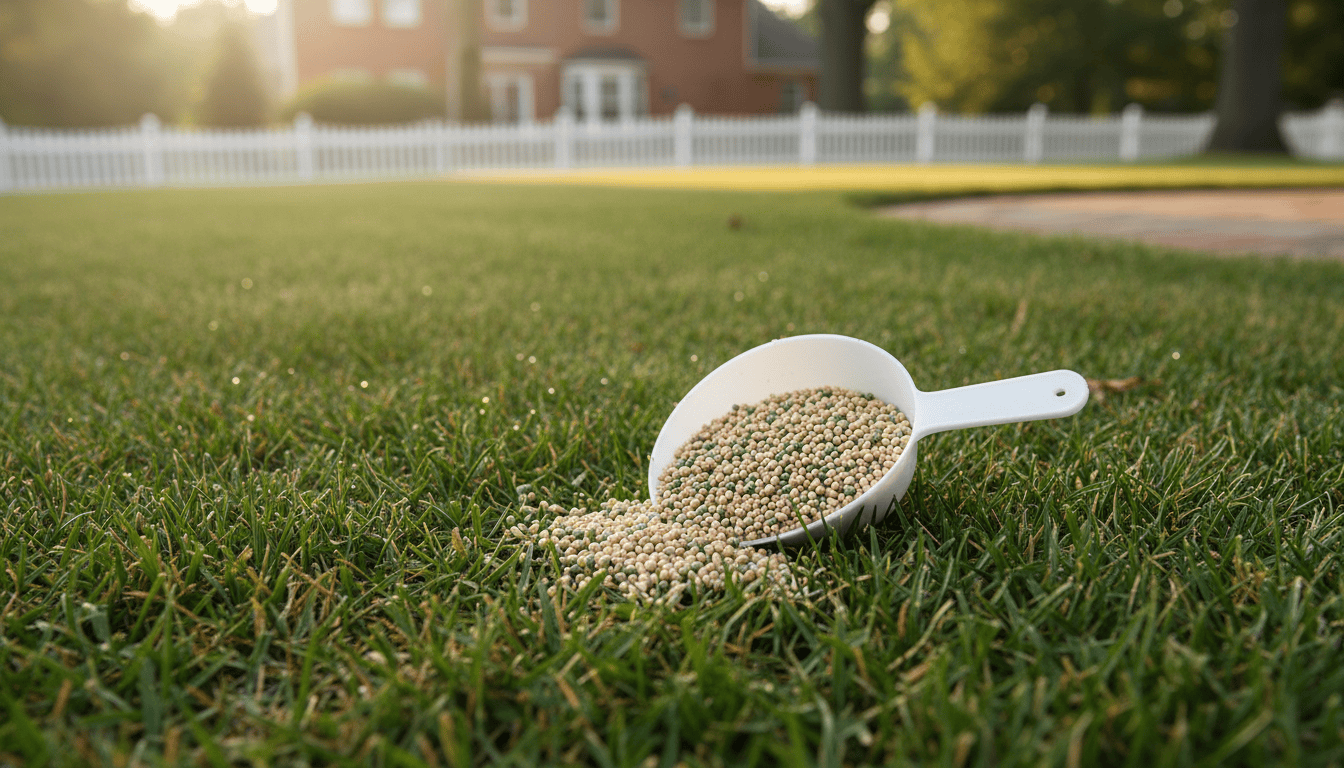
Chicagoland Lawn Fertilizing: Timing Beats “Whenever I Remember”
Most Chicagoland lawns are cool-season turf. That is good news, because cool-season grass responds extremely well when fertilization is timed to its growth cycle.
The problem is that many homeowners fertilize when they have time, not when the lawn benefits most. A better approach is to use a schedule based on lawn density and expectations.
What “good timing” looks like in Illinois
Illinois Extension describes fertilizer timing options based on lawn density, ranging from low to high input schedules. Their recommended windows include a spring feeding and a late summer to early fall application, which is considered the optimal timing for cool-season lawns.
For Chicagoland homeowners, the fall emphasis is especially important. Illinois Extension also notes that timing shifts by region of the state, with northern areas typically earlier for the late summer to early fall feeding.
Why fall feeding matters more than spring hype
Cool-season grass uses fall to build roots and store energy. Fertilizing at the right time supports stronger turf coming out of winter and faster green-up without forcing weak, flashy top growth in early spring.
Spring can still matter, but fall is where you build the foundation that makes spring easier.
How many applications do you actually need?
You do not need a complicated program to see results, but you do need consistency.
- Two applications per year can be enough for low to moderate density lawns
- Three or more applications are more common for thicker lawns with higher expectations
Illinois Extension lays out these tiers so homeowners can match effort to outcomes.
Common Chicagoland pitfalls
A few mistakes show up constantly in northern Illinois lawns:
- Applying too early in spring
If the lawn is not actively growing, you are not getting the return you think you are. - Feeding hard during drought without irrigation
Fertilizer during stress can backfire if the lawn can’t grow. - Using starter fertilizer without knowing if you need phosphorus
Illinois Extension notes many Illinois soils already have adequate phosphorus and recommends soil testing to confirm nutrient levels.
Fertilization is not a standalone fix
Feeding works best when mowing height and watering are also solid. If you fertilize but mow too short or let drought stress dominate, results will be inconsistent.
A program approach that leads to better lawns
Most homeowners want two outcomes:
- A lawn that stays consistently green
- A yard that crowds out weeds
Both require seasonal steps that align. When they do, fertilization becomes a tool for density, not a temporary color boost.
Chicagoland takeaway
If you want a plan that matches your lawn density and your maintenance tolerance, build the schedule first, then select products and rates around it.