Best Time to Fertilize Your Lawn in Chicago (And What Happens If You Miss It)
Fertilizing your lawn is not just about feeding the grass. It is about supporting the lawn at the exact moment it is capable of using those nutrients.
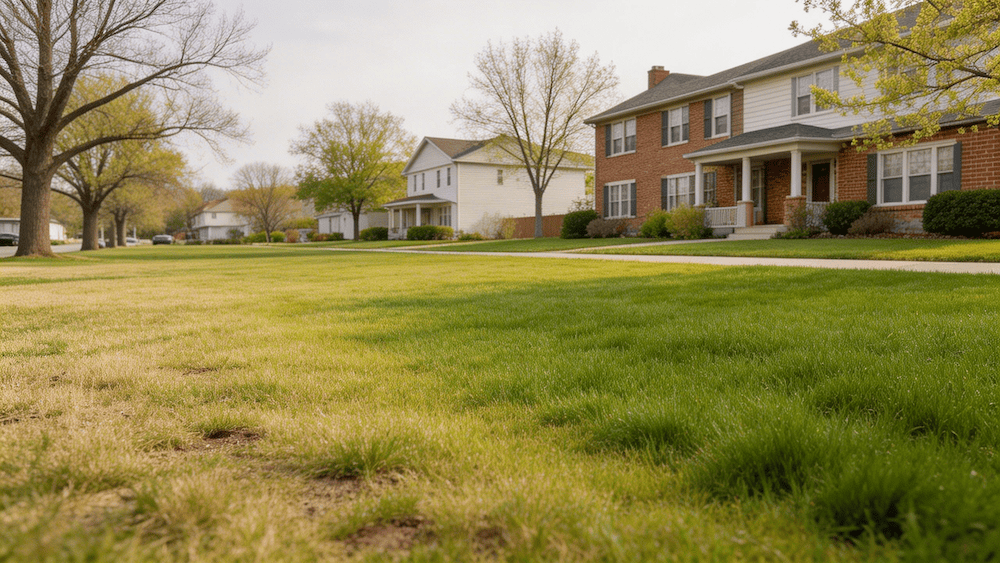
Fertilizing your lawn is not just about feeding the grass. It is about supporting the lawn at the exact moment it is capable of using those nutrients.
In a climate like Chicagoland, where temperatures swing dramatically across seasons, timing becomes one of the most important factors in whether fertilization actually works.
Most homeowners think of fertilization as a one time or occasional task. In reality, it is a seasonal strategy.
Your lawn moves through distinct phases each year:
Early Spring
The lawn is waking up. Root systems are starting to activate, but growth above ground is still limited. Applying the wrong type of fertilizer here can push top growth before roots are ready, which leads to weak structure later.
Late Spring
Growth accelerates, and weed pressure increases. This is one of the most critical windows for both feeding the lawn and preventing weeds from establishing.
Summer
The lawn shifts into survival mode. Growth slows, and stress increases due to heat and potential drought conditions. Over fertilizing during this period can actually damage the lawn.
Fall
This is one of the most important times for fertilization. The lawn focuses on rebuilding and strengthening roots, setting the stage for the following year.
When these windows are missed or misaligned, the results show up quickly:
- Grass grows unevenly
- Nutrients are wasted
- Weeds gain an advantage
- Root systems remain underdeveloped
This is why many lawns look promising early in the season but struggle later.
A properly timed fertilization plan does not force growth. It supports the lawn in a way that aligns with how it naturally develops.
That difference is what creates consistency.